
El Método FIFISFIT
I used to believe that more meant better: more workouts, fewer calories, less rest. I thought suffering equaled progress. Every fitness magazine said “push harder.” So I did.
I woke up early for HIIT classes, doubled sessions on weekends, and lived on protein bars and caffeine. The scale didn’t move down; it crept up. My digestion failed, my sleep disappeared, my skin broke out, and my mood crashed.
One morning I looked at myself in the gym mirror, drenched in sweat, and realized I was doing everything yet getting nowhere. That was the day I stopped chasing punishment and started searching for balance.
A friend convinced me to try Pilates. It felt too slow at first, but halfway through I noticed something: my muscles were shaking in ways HIIT never reached. After a few weeks my bloating eased, my posture lifted, and my body finally started responding.
For the first time I wasn’t inflamed or exhausted. I was strong, centered, and light. That shift became the foundation of El Método FifisFit: awareness before intensity, nourishment before numbers, intuition before instruction.
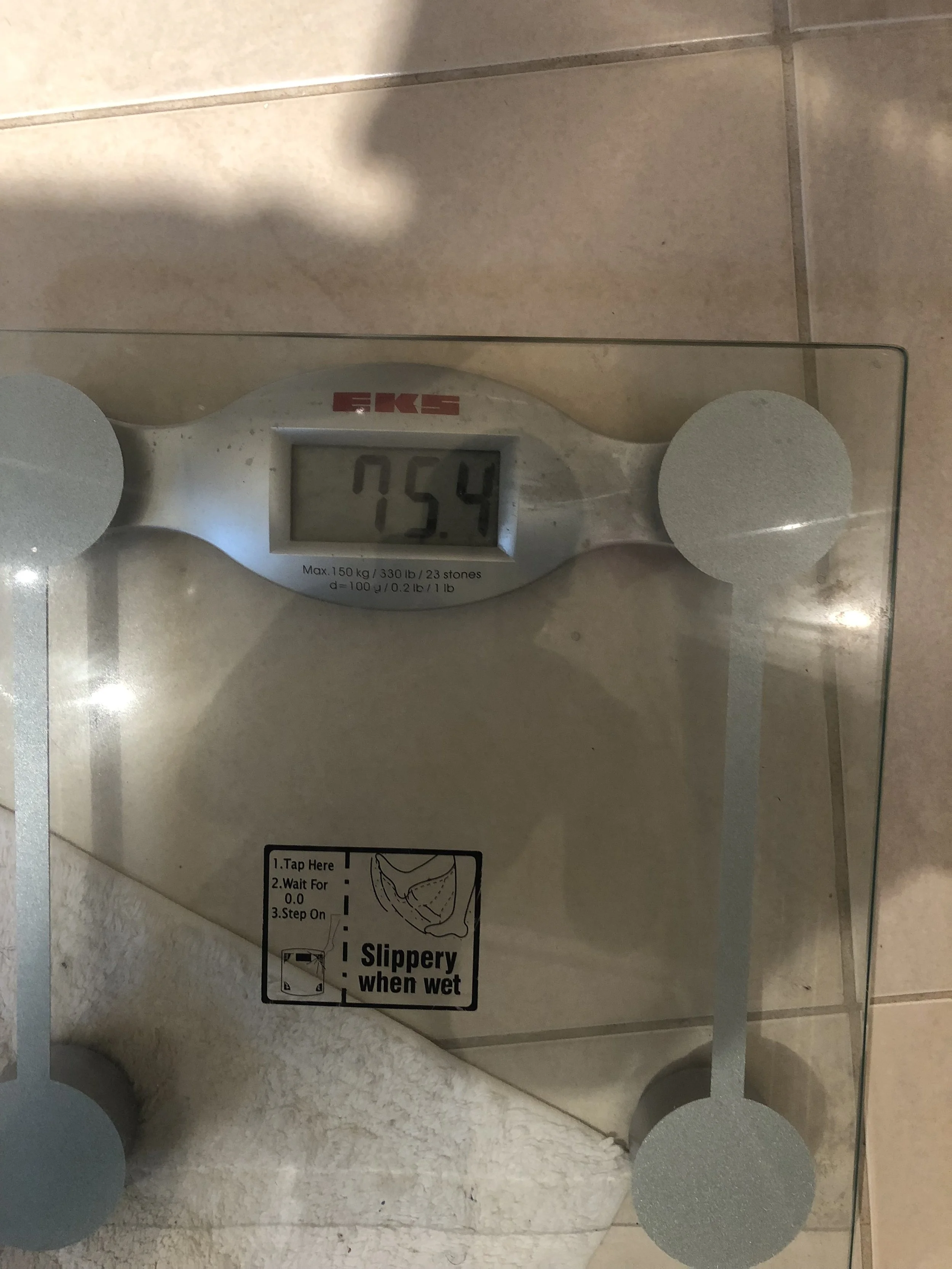
When more was never enough
The Myth of “Burn More, Eat Less”
We’ve been told that weight loss is math: calories in versus calories out. But the body isn’t a calculator. It’s chemistry.
When you train too hard and eat too little, your body releases cortisol, the stress hormone. Cortisol tells your system to hold on to fat, especially around the abdomen, while breaking down muscle for energy. So even if you’re running every morning and counting every almond, you can still gain weight.
I used to think hunger was discipline. It wasn’t. It was dysfunction. When you’re constantly hungry, your metabolism slows down to protect you. Your thyroid reduces output, your hormones shift, and soon your body resists every effort you make. True transformation starts when you stop forcing and start feeding. That doesn’t mean overeating or giving up structure; it means balancing nourishment with movement that calms your nervous system instead of shocking it.
I now tell my clients: your goal isn’t to burn more, it’s to stress less. Once stress drops, metabolism rises naturally. That’s when the real change happens.
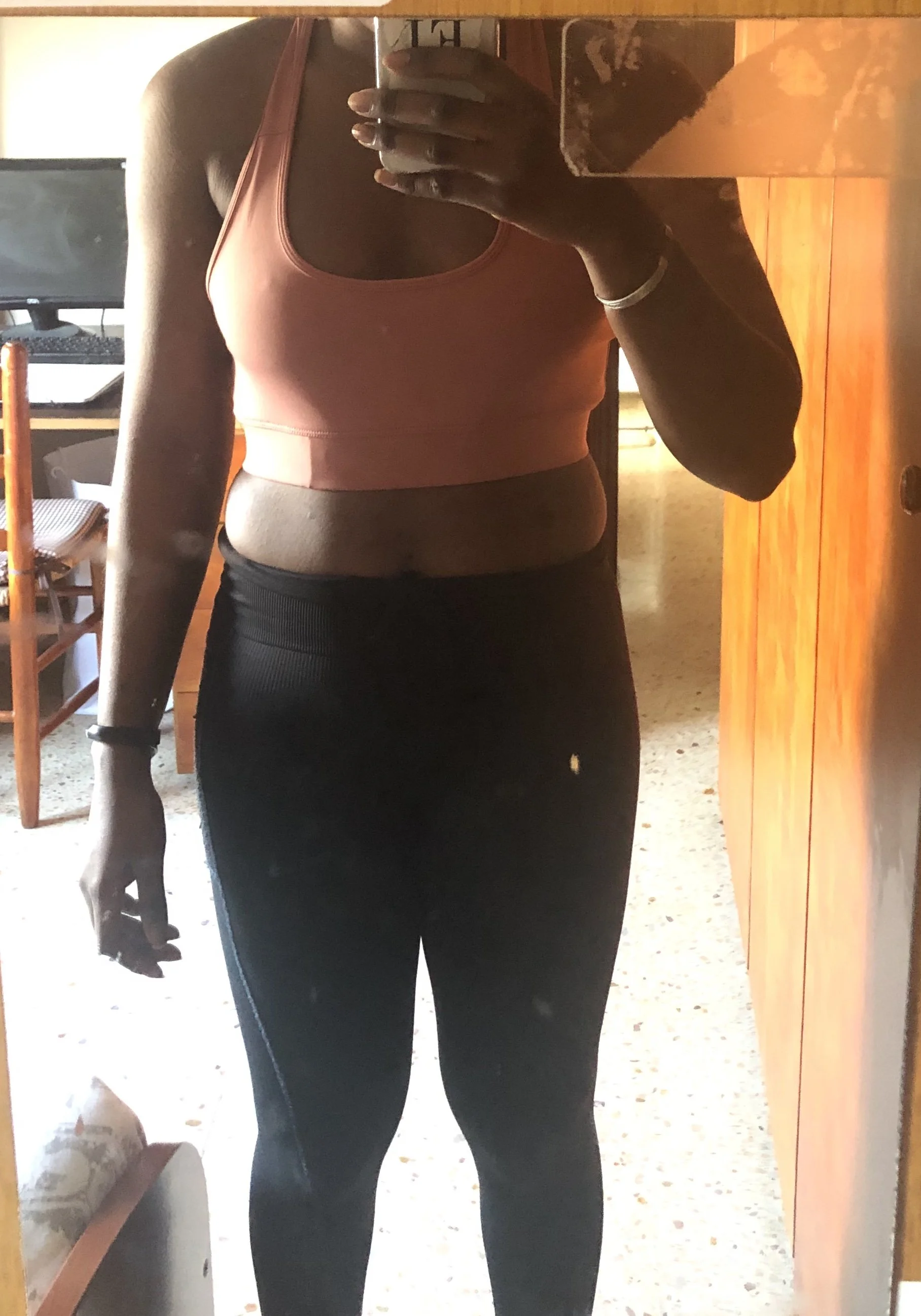
“when I used to starve myself and workout 3 hours a day”
Listening to Your Body
Your body whispers before it screams. Bloating, fatigue, cravings, brain fog these are messages, not malfunctions. For years I ignored them. I drank more coffee, trained harder, and called exhaustion “motivation.” But bodies are honest. If you don’t listen, they’ll make you.
Listening to your body starts with awareness. Notice how you feel after workouts: energized or drained? After meals: satisfied or heavy? These cues reveal how your metabolism and hormones respond to your lifestyle. Every client I work with begins with observation, not restriction. We check blood work, hormonal markers, stress patterns, sleep quality. I study everything - genetics, insulin sensitivity, metabolic type — because every body is different.
Some clients have fast metabolisms and thrive on intensity. Others, especially women with PCOS or thyroid issues, need slower strength work and consistent nourishment. There is no universal formula. There is only your formula.
That’s what El Método FifisFit is built on: personalization. It’s not about copying someone’s routine. It’s about crafting your own.

One of those moments when trying on clothes felt really uncomfortable
mm
